Book Appointment Now
Best Practices for Lagoon & Pond Dredging in Pakistan Using Modern Dredging Equipment
Intro
Lagoon and pond systems across Pakistan are dealing with rising sediment loads, operational strain, and ageing water infrastructure. These issues require facilities to use modern, reliable methods to restore capacity. This is where Pakistan dredging equipment becomes a practical requirement. Industrial wastewater lagoons, agricultural ponds, municipal sites, and private estates now depend on efficient technology to maintain performance and avoid long-term failures.
As lagoon dredging projects in Pakistan come under greater regulatory scrutiny and tighter timelines, operators are moving away from manual or outdated dredging practices. They prefer compact hydraulic pumps, engineered HDPE discharge lines, and low-impact systems that enable faster silt removal with controlled turbidity and reduced downtime.
The challenge for many teams is not just completing the dredging work. It is choosing equipment that can withstand Pakistan’s water conditions, climate patterns,s and compliance requirements. Hydro Pump & Dredge supports this need by offering modern Pakistan dredging equipment, flexible rental options, and technical guidance designed specifically for pond maintenance dredging, and lagoon restoration projects.
This blog outlines best practices, planning steps, and equipment considerations for engineers, project managers, and contractors to improve lagoon and pond dredging outcomes across Pakistan.
Why Modern Equipment Matters for Lagoon Dredging in Pakistan
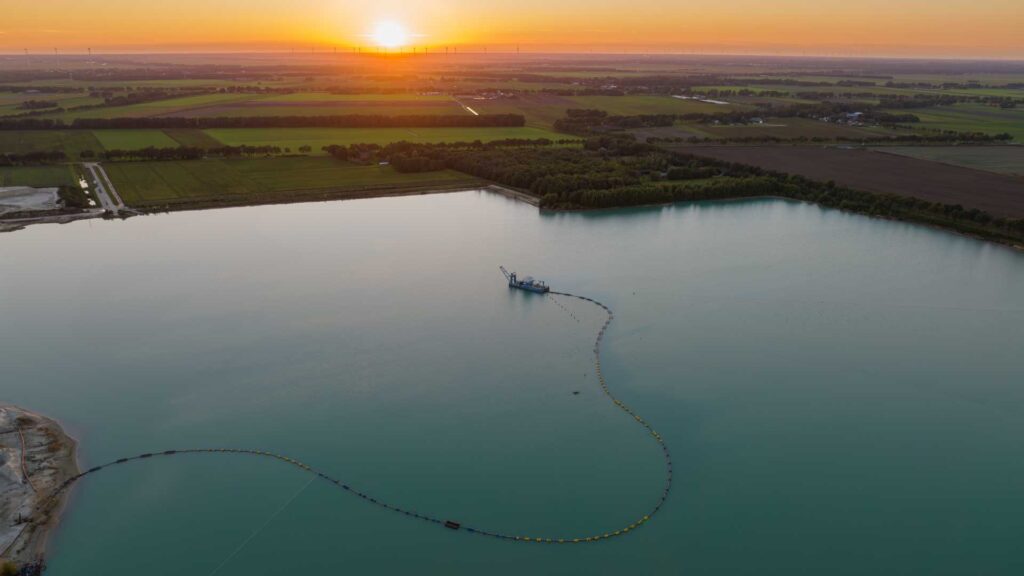
Most lagoon and pond restoration projects in Pakistan still struggle with slow progress, excessive turbidity, and unexpected equipment failures. These delays typically result from using outdated or improvised tools that were never designed for sustained dredging. Modern Pakistan dredging equipment changes that situation by providing project teams with predictable performance, improved control of slurry movement, and cleaner project execution.
At many industrial and municipal sites, sediment buildup limits storage capacity, degrades water quality, and increases annual maintenance costs. Using modern pumps and engineered discharge systems allows operators to remove higher volumes of silt in less time. This is especially important for lagoon dredging Pakistan projects, where uninterrupted plant operations matter. Efficient equipment reduces downtime and helps maintain surrounding areas, a common concern for wastewater sites and agricultural ponds.
Another major benefit is accuracy. With updated hydraulic pumps, calibrated suction heads, and purpose-built HDPE pipelines, teams can move material with consistent flow rates and lower leakage risk. Modern setups support better turbidity control and help organisations meet compliance requirements. For pond maintenance dredging, the ability to remove sediment without disturbing the entire water body is essential for long term ecosystem stability.
Local availability also matters. Hydro Pump & Dredge provides Pakistan-based access to advanced pumps, hoses, and floating systems that match the needs of industrial, municipal, and agricultural clients. Working with a local provider reduces procurement time and simplifies maintenance support throughout the dredging cycle.
Modern technology is not an upgrade for aesthetics. It is a practical solution that improves speed, safety, and cost control for lagoon and pond projects across Pakistan.
The Most Effective Dredging Approaches for Lagoons and Ponds in Pakistan
Choosing the right method is one of the most important decisions in any lagoon dredging in Pakistan. Different sites have different sediment profiles, water levels, and operational constraints. Selecting the wrong approach increases cost and delays. Selecting the correct approach increases efficiency and reduces environmental disruption.
In Pakistan, three methods consistently deliver strong performance when supported by reliable Pakistan dredging equipment.
Hydraulic Dredging for High Volume Sediment Removal
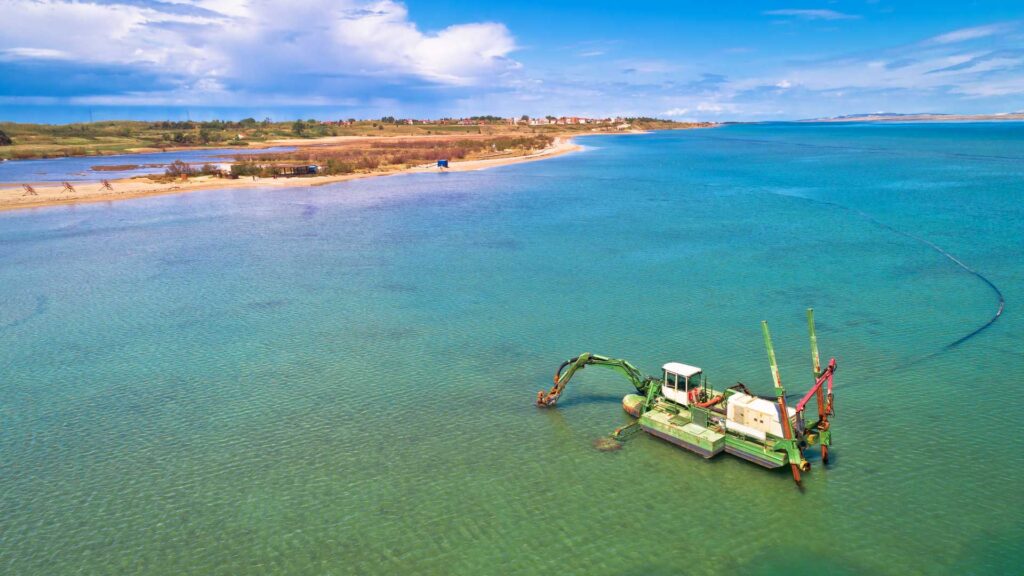
Hydraulic dredging is the preferred option for large lagoons and deeper ponds. It uses high-powered dredge pumps to lift and transport slurry through HDPE discharge lines. This method handles fine silt extremely well and keeps operations running during dredging. It is widely used in industrial wastewater lagoons, farm ponds, and municipal settling basins. Hydraulic systems minimise on-site disturbance, which is valuable for pond maintenance and dredging.
Mechanical and Excavator-Based Dredging for Coarse or Access-Limited Sites
Some ponds contain heavier or consolidated sediment that requires direct mechanical removal. Excavator-based dredging is well-suited to these conditions, especially when a site has easy shoreline access. It is also effective for smaller restoration projects that do not require full hydraulic systems. This method works well when precise removal around embankments or structures is required.
Hybrid Approaches for Shallow or Sensitive Water Bodies
Shallow ponds, fishery ponds, and ecologically sensitive sites may need a hybrid strategy. A combination of light suction systems and mechanical tools allows controlled sediment removal without draining or damaging the water body. This is a practical choice for communities and private estates that prioritise stability and ongoing usability.
Across all three methods, equipment quality determines overall results. Hydro Pump & Dredge supports both approaches by providing hydraulic pumps, HDPE pipes, floats, and accessories that are compatible with Pakistan’s operating conditions. This ensures consistent performance across inland ponds, industrial lagoons, and municipal sites.

Selecting the right dredging method is not only a technical choice. It affects environmental performance, project duration, and total cost. Using the right combination of processes and equipment enables teams in Pakistan to complete lagoon and pond dredging with clarity and efficiency.
Pre-Project Checklist for Lagoon and Pond Dredging in Pakistan
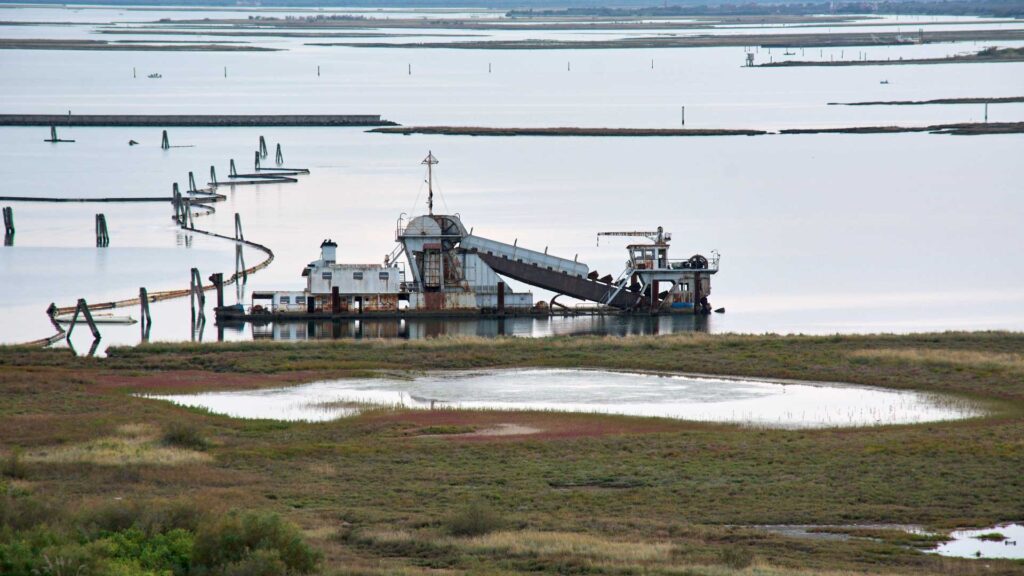
Every successful lagoon dredging in Pakistan starts with groundwork. A structured pre-project checklist prevents delays, avoids equipment mismatches, and ensures regulatory compliance. Teams that skip early planning generally face operational breakdowns, unclear sediment volumes, and unexpected cost increases. The following steps create a reliable starting point for any lagoon or pond maintenance dredging project.
Site Survey and Bathymetry
A detailed survey identifies variations in water depth, sediment thickness, and access limitations. Bathymetric mapping helps select the appropriate pump size, suction depth, and discharge line configuration. This ensures that Pakistan dredging equipment is matched accurately to the site.
Sediment Sampling and Testing
Sediment composition determines the required dredging method. Fine silt and sludge are suited for hydraulic dredging, while compacted material may require mechanical support. Testing also identifies any contaminants that must be handled in accordance with local environmental regulations.
Regulatory and Compliance Requirements
Dredging activities often require environmental clearance, turbidity management plans, and disposal approvals. Pakistan’s environmental authorities assess potential impacts on runoff, sludge handling, and water quality. Proper documentation avoids project stoppages and builds long-term compliance confidence.
Seasonal and Water Level Planning
Pakistan’s climate patterns affect dredging schedules. Rain, inflows from surrounding land, and seasonal evaporation influence water depth and sediment behaviour. Planning around these factors stabilises operations and prevents half-completed dredging cycles.
Equipment Selection and Power Planning
Selecting the right combination of pumps, hoses, and discharge lines determines how smoothly the project runs. Flow rate, head pressure, and abrasion resistance must align with the sediment type. At this stage, many clients consult Hydro Pump & Dredge to match suitable Pakistan dredging equipment with project conditions.
Disposal and Dewatering Planning
Material removed during dredging needs a structured disposal plan. This includes dewatering areas, geotextile containers, or sediment drying beds. A clear disposal workflow avoids pileup and prevents operational bottlenecks.
Safety Preparation and On-Site Protocols
A defined safety framework protects teams and reduces project downtime. This includes pump-handling guidelines, hose-pressure checks, emergency shutoff placement, and on-site communication systems.
Local Logistics and Support Planning
Transport coordination, access routes, fuel availability, and technical support determine day-to-day project stability. Working with Hydro Pump & Dredge offers the advantage of local technical assistance and equipment availability within Pakistan.
A well-prepared checklist builds the foundation for efficient lagoon and pond maintenance dredging. It ensures that every step from planning to execution is supported by accurate information and compatible equipment.
Environmental Safeguards and Regulatory Alignment for Dredging in Pakistan
Effective lagoon and pond restoration in Pakistan requires more than removing sediment. It also requires strong environmental safeguards and full regulatory alignment. Many lagoon dredging Pakistan face delays because teams underestimate compliance requirements or overlook basic protection measures. When done correctly, dredging can restore water capacity while maintaining ecological balance and community confidence.
Pakistan’s environmental framework places clear emphasis on turbidity control, sediment handling, and safe disposal. Teams must prepare environmental screening documents, impact assessments where required, and post-project monitoring plans. This helps ensure that pond maintenance dredging does not harm water quality, groundwater connections, or surrounding habitats.
One of the most important safeguards is turbidity management. Sediment disturbance can spread to nearby channels or agricultural land if not properly controlled. Modern Pakistan dredging equipment, such as calibrated pumps, controlled suction heads, and well-designed discharge lines, helps maintain stable flow rates and reduces unnecessary agitation. Additional tools such as silt curtains, flow baffles, and staged dredging zones enhance control at sensitive sites.
Another key area is the safe disposal of sediment. Dewatering zones, geotextile tubes, and controlled-drying beds enable teams to process materials responsibly. This prevents runoff back into the lagoon or pond and reduces pressure on nearby land. Proper disposal plans also support compliance with local regulations related to solid waste and water management.
Monitoring is equally important. Regular checks of water clarity, discharge flow levels, and sediment movement enable teams to adjust operations before issues escalate. These checks also serve as evidence for regulators and project owners.
Hydro Pump & Dredge plays a supporting role by providing modern equipment that aligns with environmental guidelines and by advising teams on suitable pump and pipeline configurations. With the right preparation and equipment, lagoon and pond dredging in Pakistan can be both efficient and environmentally responsible.
Environmental safeguards are not barriers to progress. They form a structured approach that helps teams complete dredging projects with stability, reduced risk, and long-term value.
Equipment Profile: What to Specify When Buying or Renting Dredging Equipment in Pakistan
Selecting the right equipment is one of the most important steps in any lagoon or pond maintenance dredging project. Undersized pumps, low-quality hoses, or mismatched discharge systems can slow work and increase operational risk. To avoid this, project teams in Pakistan need a clear understanding of what specifications matter when evaluating Pakistan dredging equipment for purchase or rental.
Dredge Pumps and Hydraulic Systems
Flow rate and head pressure define how efficiently the slurry can be moved. Pumps should be abrasion-resistant and designed for high solids content to handle fine silt or sludge. Hydraulic systems must match the site’s expected depth and sediment volume. Reliable pump curves and wear part compatibility allow operators to maintain consistent performance.
Cutter Heads and Suction Systems
For sites with compacted sediment, the appropriate cutter head increases production and reduces pump strain. Adjustable suction heads help maintain steady sediment intake in varying depths. These components support both lagoon dredging in Pakistan and industrial pond applications.
HDPE Pipes, Floats and Hose Assemblies
Discharge lines are critical for controlling leakage and maintaining stable flow. HDPE pipes with the correct diameter and wall thickness reduce friction loss and improve transport efficiency. Floats keep the pipeline stable and accessible. Hose joints and couplings must be built to withstand pressure changes and abrasive material.
Excavator Attachments and Mechanical Tools
Some dredging sites require mechanical intervention. In such cases, excavator-mounted dredge pumps, drag heads, or rake systems help remove heavier material without disrupting surrounding areas. These tools often complement hydraulic setups in mixed sediment conditions.
Dewatering and Solids Handling Equipment
After dredging, the material must be processed safely. Geotextile tubes, dewatering screens, and filter units allow teams to manage slurry effectively. These systems help meet environmental and disposal requirements.
Hydro Pump & Dredge provides access to pumps, hoses, floats, and related accessories that are compatible with Pakistan’s operating conditions. Their guidance helps project owners avoid equipment mismatches and ensures that selected systems support long-term performance.
The right specifications build the foundation for a stable, efficient,t and cost-controlled dredging project. When Pakistan dredging equipment is selected with clear technical criteria, teams achieve smoother operations and faster project completion.
Operations Playbook: Practical Best Practices for Speed, Leak Prevention, and Long-Term Performance
The success of any lagoon or pond maintenance dredging project depends on how well the equipment is managed on-site. Even the best Pakistan dredging equipment will underperform if daily operations are inconsistent or if basic checks are skipped. A clear operations playbook improves speed, prevents leaks, and keeps the entire dredging cycle stable.
Structured Start-Up and Shutdown Procedures
Pumps require a controlled start to avoid cavitation, airlocking, or pressure swings. Operators should allow gradual flow build-up and confirm that discharge lines are fully primed. During shutdown, the flow should be reduced slowly to prevent sudden reverse pressure. These simple steps protect pumps and reduce wear.
Pipeline Stability and Leak Prevention
Leakage in discharge lines is one of the most common issues in lagoon dredging in Pakistan projects. HDPE pipelines must be positioned on stable floats and anchored correctly to avoid movement. Joint connections should be checked daily for pressure loss, abrasion, or loose clamps. A stable pipeline improves flow consistency and reduces material loss.
Daily Equipment Checks
Routine inspections help teams detect problems early. Pumps should be checked for vibration, temperature shifts, and unusual noise. Suction lines must stay clear of obstructions. Wear parts such as impellers and liners should be inspected regularly to maintain efficiency. These checks extend the lifespan of critical components.
Sediment Flow Monitoring
Monitoring slurry density and flow rate allows teams to adjust suction depth and pump speed with precision. Overpumping causes blockages, while underpumping slows progress. Consistent monitoring ensures balanced performance throughout the project.
Safe Work Zones and On-Site Coordination
Clear communication between operators, spotters, and supervisors reduces accidents and improves workflow. Dedicated walkways around the lagoon, controlled machinery zones, and proper lighting help maintain safe and organised operations.
Using Local Support for Rapid Adjustments
On-site challenges are common in dredging projects. Immediate support reduces downtime. Hydro Pump & Dredge offers technical guidance and spare part availability within Pakistan, which helps teams resolve issues quickly and keep production rates stable.
A well-managed operations playbook turns planned objectives into reliable results. When equipment is handled consistently, lagoon and pond dredging becomes faster, cleaner, and more predictable.
Cost and Schedule Planning for Lagoon and Pond Dredging in Pakistan
Budgeting for lagoon or pond maintenance dredging requires realistic planning that matches project goals, site conditions, and equipment capacity. Many projects run over budget because teams underestimate sediment volume, pumping distance, or disposal requirements. Clear cost and schedule planning helps eliminate surprises and improves decision making.
The first cost variable is sediment quantity. Larger lagoons require more pumping hours, more fuel, and longer discharge lines. Fine silt moves faster through a hydraulic system, while heavier material may need mechanical support. Understanding these details helps project owners select the right Pakistan dredging equipment and avoid oversizing or undersizing systems.
The second factor is equipment choice. Hydraulic pumps, HDPE pipes, floats, and dewatering systems form the core cost block. Renting equipment often reduces upfront investment for short or seasonal projects. Purchasing becomes practical when sites require repeated dredging cycles. Teams in Pakistan often prefer rental models because they offer flexibility without the long-term storage or maintenance costs associated with ownership.
Disposal and dewatering also influence cost. Projects with suitable land for drying beds or geotextile tubes typically cost less than those that require long-distance hauling. Proper planning prevents bottlenecks and keeps dredging operations continuous.
Scheduling is equally important. Weather conditions, water-level fluctuations, and site access determine the number of productive hours each day. A typical lagoon dredging project includes setup, calibration, active dredging, dewatering, and final cleanup. Each phase must be timed precisely to keep the project on track.
Working with Hydro Pump & Dredge helps project owners create realistic budgets. Their understanding of local conditions, fuel usage patterns, and flow-rate performance gives teams clear visibility into expected costs. Early planning ensures that both the lagoon and lagoon dredging projects in Pakistan move forward with confidence and predictable timelines.
Cost planning is not about cutting corners. It is about building a structured approach that keeps projects efficient and financially controlled from start to finish.
Conclusion
Lagoon and pond restoration has become a critical maintenance need across Pakistan, and the success of these projects depends on structured planning, reliable methods, and modern technology. Using the right Pakistan dredging equipment helps teams complete work faster, maintain environmental stability,y and reduce operational risks. Whether the goal is full lagoon restoration or routine pond maintenance dredging, the combination of accurate surveys, proper equipment selection, and disciplined on-site practices delivers long term results.
Project owners in Pakistan benefit most when their dredging approach is supported by dependable local expertise. Hydro Pump & Dredge provides equipment, rental options, and technical support tailored to the unique challenges of lagoon dredging in Pakistan. Their involvement helps teams avoid delays, improve flow performance, and maintain consistent production throughout the project.
A well-planned and well-executed dredging strategy extends the life of water bodies, stabilises operations, and protects surrounding environments. With the right preparation and equipment, lagoon and pond dredging becomes a manageable process that supports both current needs and future sustainability.