Book Appointment Now
Modern Dredge Boats: Innovations Driving Efficiency in Dredging Operations
Introduction
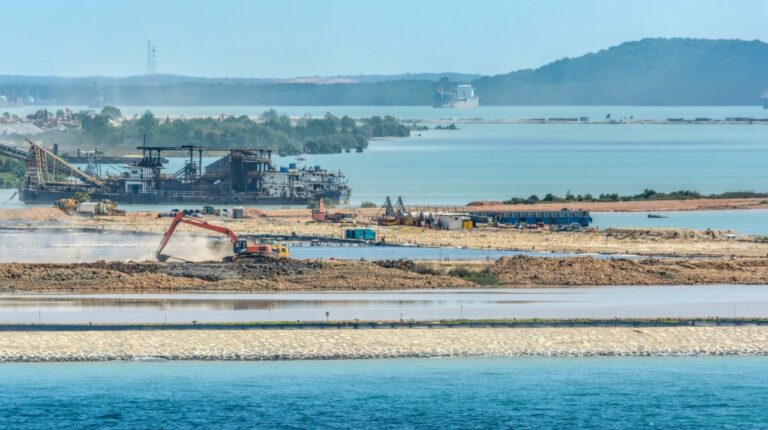
Dredge boats are the driving force behind some of the most essential operations in maritime, mining, and environmental sectors. They make dredging possible, whether it’s keeping waterways navigable, ensuring cargo ships can safely access ports, extracting valuable minerals from riverbeds, or restoring lakes and coastal ecosystems. By removing accumulated sediments, dredge boats help prevent flooding, support smooth industrial operations, and maintain ecological balance.
In heavy industries like mining, they enable material recovery and tailings management. At the same time, in coastal and inland infrastructure projects, they act as a first line of defense against sedimentation and erosion. Simply put, without dredge boats, global trade, resource extraction, and environmental rehabilitation would face serious setbacks.
Unlike traditional setups, these vessels integrate advanced hydraulic systems, real-time automation, and intelligent monitoring to optimize every aspect of dredging performance. Each dredger boat is designed not only for material excavation but also for long-term efficiency—reducing fuel consumption, minimizing environmental impact, and enhancing overall productivity.
As industries shift toward cleaner, data-driven operations, the dredging boat represents a strategic investment in innovation. Combining smart control systems, hybrid propulsion, and durable construction, modern dredge boats are redefining performance standards and reshaping how contractors and operators measure return on investment in large-scale dredging projects.
What Defines a Modern Dredge Boat?
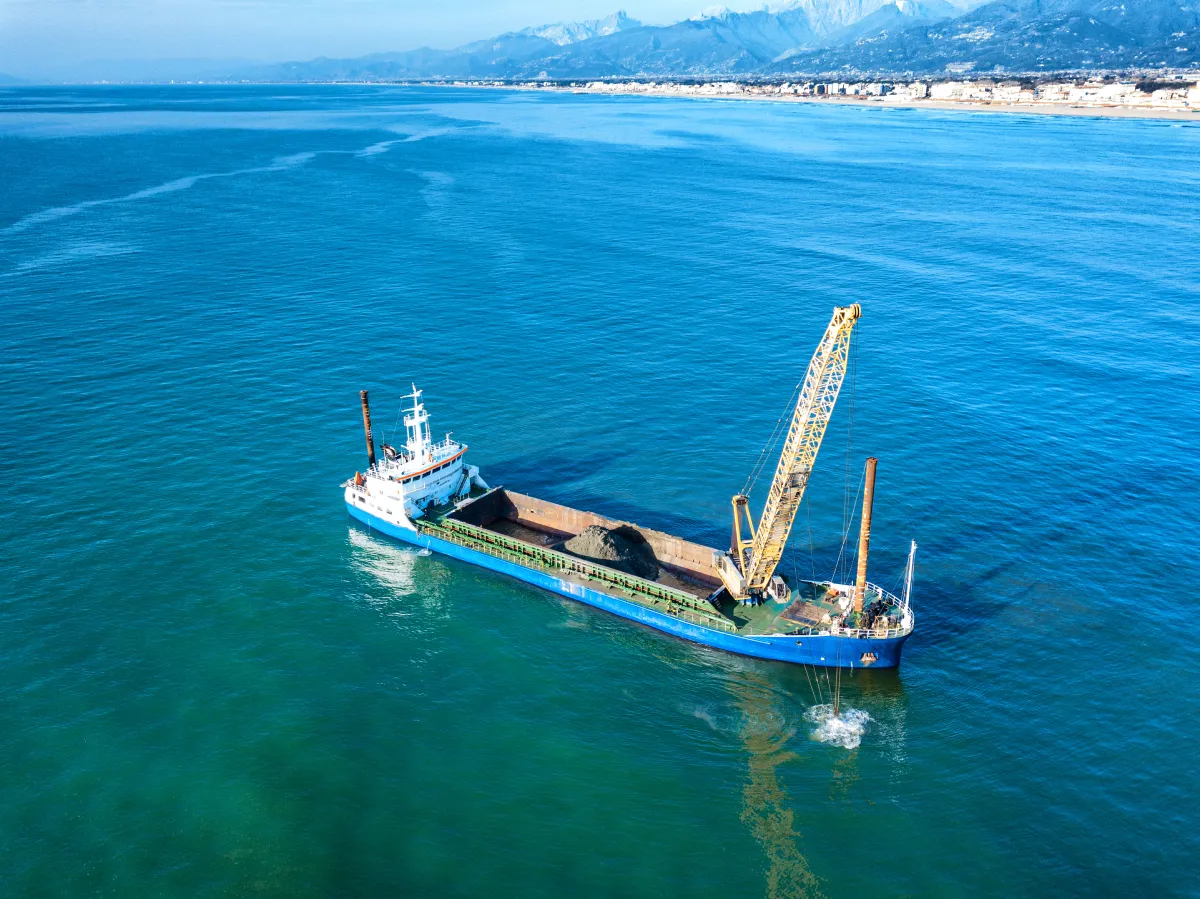
Sand, silt, gravel, and industrial debris are among the submerged materials excavated, collected, and transported by modern dredge boats, specialist vessels. They serve as the operational core of dredging operations, facilitating ongoing material transfer and silt removal via well-designed mechanical or hydraulic systems. Dredge boats help achieve important goals in both industrial and environmental contexts, such as preserving channel depth, recovering land, controlling tailings ponds, and rehabilitating aquatic habitats.
Technically, there are two primary categories of dredge boats: mechanical and hydraulic. Mechanical models rely on physical excavation tools such as clamshell buckets or draglines to lift material directly from the seabed. They are ideal for compacted or coarse sediments and for confined areas such as docks or riverbeds. In contrast, hydraulic systems, used in many dredging boat operations, employ high-powered suction pumps to transport sediment through pipelines as a slurry. This allows for continuous, large-scale dredging with reduced handling and higher throughput, making them the preferred choice for mining, port deepening, and reclamation projects.
Each dredger boat is constructed with a number of interconnected systems designed for durability and efficiency. The hull’s ideal buoyancy and stability are designed to provide safe operation under a variety of circumstances. Whether diesel-electric or hybrid, the power unit minimizes emissions and fuel consumption while powering the suction and propulsion systems. The operational core, which controls material flow and delivery accuracy, comprises the suction and discharge systems. Real-time monitoring of dredging depth, pump performance, and flow rate is made possible by a centralized control unit that combines data from sensors and automation systems.
One distinguishing feature of present-day dredge boats is their adaptability. Because of their modular designs, operators can customize systems for specific applications, such as abrasion-resistant construction for mining operations, lightweight setups for wetland restoration, or high-capacity hydraulic systems for port maintenance. In addition to improving project efficiency, this adaptability ensures that every dredging boat operates at its best across a variety of site conditions and performance requirements.
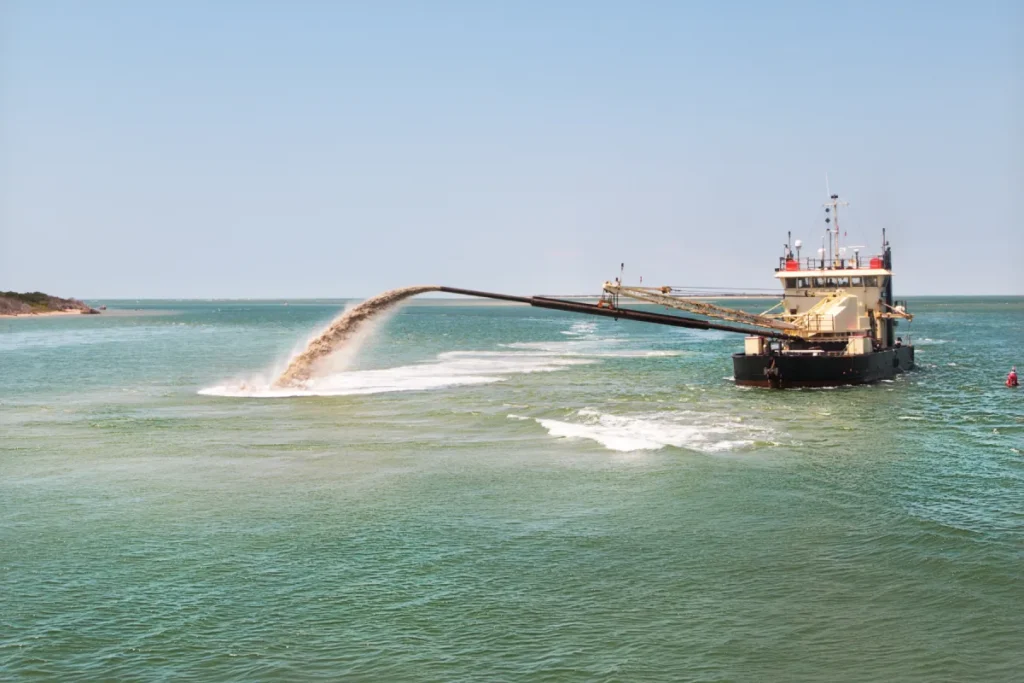
Core Innovations Transforming Dredge Boat Performance
AI-Driven Automation and Smart Control Systems
Dredge boats are becoming more accurate, dependable, and capable of making real-time decisions thanks to the integration of AI and IoT technologies. Operators can monitor dredging depth, silt density, and pump operation with previously unheard-of accuracy thanks to sensor-based automation. AI-driven predictive maintenance reduces unplanned downtime and extends equipment life by detecting component wear before failures occur.
Dredging boat operators may automate crucial tasks, such as GPS-guided excavation, suction rate adjustment, and cutterhead alignment, using smart control systems. This ensures continuous, optimal functioning even in challenging underwater conditions, while simultaneously increasing production and reducing human error and reliance on resources.
Transition to Electric and Hybrid Propulsion
One major improvement in dredge boats is the transition from traditional diesel engines to hybrid and electric propulsion systems. While full-electric designs completely remove combustion emissions, hybrid propulsion enables energy recovery and load balancing. These developments lengthen the maintenance cycle by lowering mechanical strain, greatly increasing fuel economy, and lowering operating expenses.
The hybrid dredger boat aligns with contemporary ESG goals from environmental and compliance perspectives, reducing carbon emissions, minimizing noise pollution, and ensuring compliance with increasingly stringent international sustainability requirements. Beyond regulation, steady fuel savings and a quantifiable reduction in lifetime costs deliver a long-term return on investment.
Material and Structural Advancements
Modern dredge boats benefit from continuous material innovation aimed at maximizing durability and performance. High-strength alloys, advanced composites, and ceramic coatings are now standard in hulls, suction lines, and impeller assemblies. These materials enhance abrasion and corrosion resistance, enabling dredging systems to withstand the harsh demands of sediment-laden, saline environments.
By minimizing wear and extending service intervals, these material innovations directly reduce lifecycle costs and improve equipment reliability. In large-scale dredging boat operations, such improvements translate into fewer maintenance disruptions and greater operational uptime, particularly in mining and coastal engineering projects.

Integration of Digital Twin and Remote Operation Technologies
Digital twin technology represents a breakthrough in performance management for dredge boats. By creating a virtual replica of the vessel and its systems, operators can simulate operations, assess stress loads, and predict maintenance requirements before actual deployment. This data-driven insight improves planning accuracy, reduces risk, and ensures optimal asset utilization.
Remote operation technologies complement this digital transformation, allowing technicians to monitor and control dredging boat systems from shore-based centers or control hubs. This capability is invaluable for projects conducted in hazardous, offshore, or restricted-access environments, enhancing safety while maintaining consistent productivity and precision.
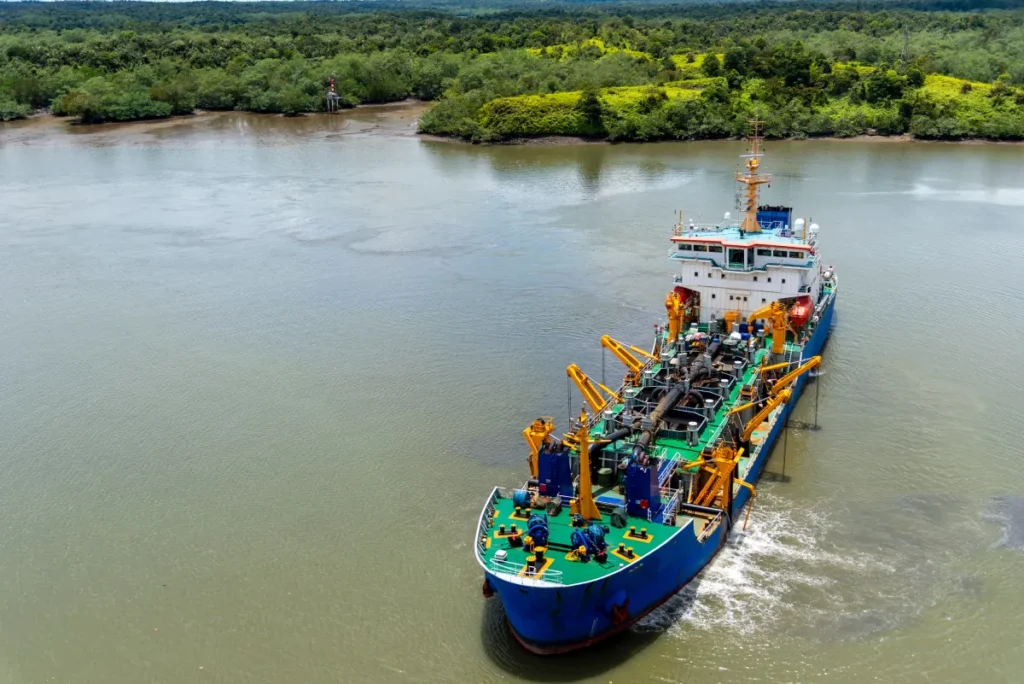
Operational Efficiency and ROI: Quantifying the Benefits
Operational efficiency is no longer measured solely by mechanical output; modern dredge boats are evaluated through data-driven performance metrics that reflect real-world productivity and financial outcomes. Key indicators such as reduced fuel consumption, higher material throughput, and lower operational expenditure (OPEX) now define success across large-scale dredging and reclamation projects. By integrating automation, precision control, and hybrid propulsion, dredger boats are achieving higher efficiency ratios while significantly reducing their environmental footprint.
Predictive maintenance technologies installed in next-generation dredger boats offer one of the most quantifiable benefits. Operators can foresee any problems before they worsen by continuously monitoring vibration patterns, hydraulic pressure, and motor load. Longer equipment lifespans and immediate cost savings are the outcomes of this proactive maintenance approach, which eliminates unnecessary downtime and part replacements. For example, compared to traditional diesel-powered systems, hybrid dredger boat designs have shown up to a 25% decrease in lifespan costs. This result is attributed to more efficient energy use and fewer mechanical wear points.
These innovations are also transforming the economics of dredging. By optimizing suction flow rates, pump performance, and route efficiency, dredger boats deliver greater material movement per hour, ensuring consistent ROI across diverse projects, from mining tailings to harbor deepening. Each dredger boat now serves as a connected data hub, capturing operational analytics that empower managers to make evidence-based decisions on fleet deployment and maintenance scheduling.
Data is now just as important to modern contractors and operators as mechanical strength. Dredging boat operators can forecast energy demand, visualize efficiency trends, and align resource planning with operational goals in real time through the integration of telemetry and smart diagnostics. Dredger boats are therefore sophisticated systems intended for ongoing optimization and quantifiable financial performance, rather than merely engineering assets.
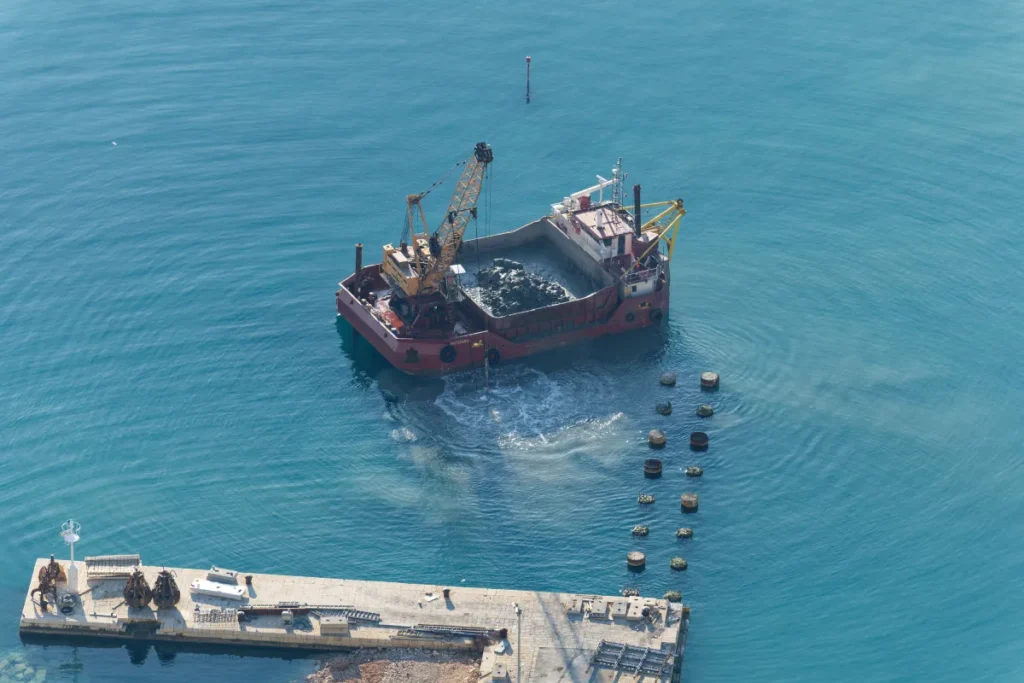
Sustainability and Compliance: Building for the Future
The global shift toward low-emission technologies has positioned dredge boats at the forefront of sustainable marine and industrial operations. Electric and hybrid propulsion systems are significantly reducing the carbon footprint of modern dredging activities by eliminating reliance on fossil fuels and reducing greenhouse gas emissions. This transition not only aligns with global sustainability goals but also enhances the energy efficiency of dredge boats, making them more cost-effective and environmentally responsible for long-term deployment.
Electric-powered dredger boats deliver exceptional performance with minimal ecological impact. By replacing diesel combustion engines with battery-electric or hybrid-electric drives, these vessels achieve near-silent operation and zero direct emissions during dredging activities. This improvement is particularly critical in ecologically sensitive zones, where noise and water pollution can disrupt marine ecosystems. Furthermore, the energy recovery systems built into hybrid dredge boats help store excess energy during low-load operations, optimizing fuel economy and further lowering operational emissions.
Another important factor driving electrification is regulatory compliance. Contemporary dredger boat designs are designed to comply with global environmental standards, such as ISO 14001 environmental management benchmarks and IMO Tier III emission requirements. Public contracts are increasingly favoring projects that employ sustainable dredging techniques because they demonstrate compliance with these international rules and help achieve net-zero emission objectives.
Beyond compliance, sustainability has become a crucial differentiator for innovative contractors and government-supported infrastructure projects. By using electric or hybrid dredge boats, operators position themselves as pioneers in ethical innovation, capable of conducting high-performance dredging operations with quantifiable environmental integrity. The modern dredging boat represents a confluence of operational efficiency, regulatory foresight, and sustainable engineering, whether in mining, port expansion, or coastal restoration.
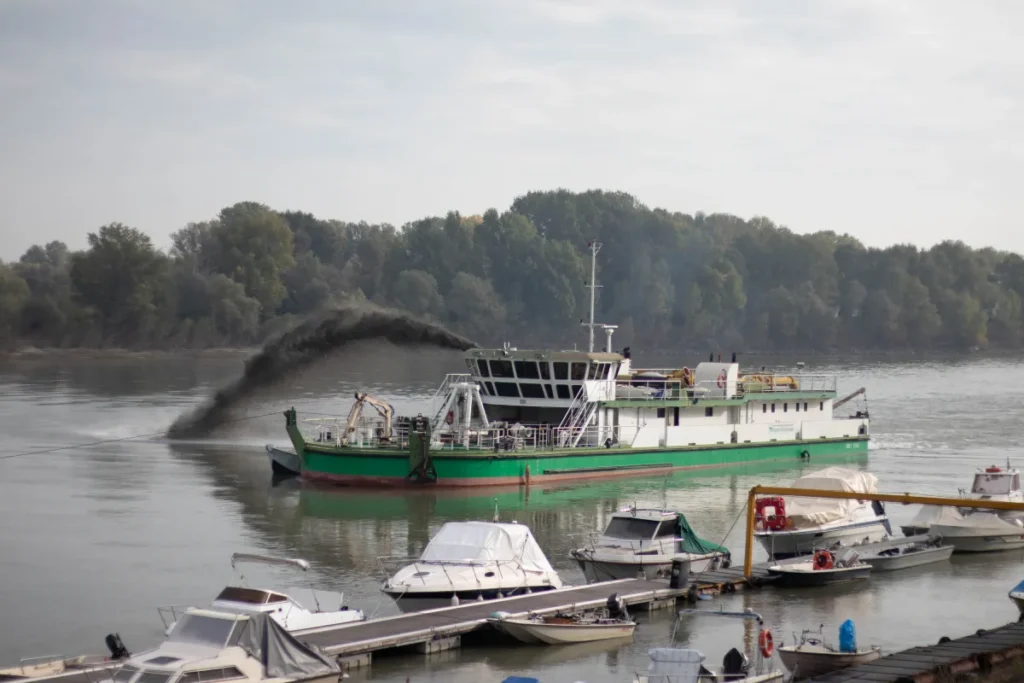
The Global and Regional Market Outlook
Between 2025 and 2030, the global dredging sector is projected to experience sustained growth, driven by escalating infrastructure development, environmental restoration, and resource extraction initiatives. According to reports from Future Market Insights and DredgeWire, the market value of dredge boats and related equipment is set to rise steadily, supported by government-led investments in coastal resilience, port modernization, and inland waterway management. As industries prioritize efficiency, sustainability, and long-term ROI, demand for technologically advanced dredger boats with hybrid propulsion and automation capabilities is increasing across both developed and emerging economies.
A major contributor to this expansion is the surge in large-scale land reclamation and port expansion projects. With global trade volumes on the rise, ports are deepening channels and expanding berthing capacities, requiring high-performance dredging boat fleets capable of continuous, high-volume sediment removal. In parallel, the mining industry’s growing focus on tailings recovery and water management has positioned dredge boats as essential tools for maintaining operational safety and environmental compliance. These trends are driving the adoption of electric and hybrid dredger boat systems, which offer superior fuel efficiency and lower emissions, aligning with the sustainability goals of both public and private stakeholders.
Emerging regions such as South Asia and the Middle East are becoming strategic growth hubs for hybrid and automated dredging technologies. Nations including Pakistan, Saudi Arabia, and the UAE are investing in coastal defense, artificial island construction, and industrial water management—applications where the versatility and modularity of dredging boats offer significant economic advantages. Hybrid-powered dredge boats are especially favored in these regions for their ability to deliver performance while adhering to increasingly strict environmental regulations.
Digitalization, electrification, and cross-sector integration are characteristics of the industry’s transition, according to Reuters and Future Market Insights. To meet the expectations of a rapidly evolving global market, operators are seeking dredge boats that combine operational power, data intelligence, and sustainable engineering. This confluence of elements continues to redefine procurement priorities.
Conclusion
Modern dredge boats have evolved into highly advanced, data-driven assets that go far beyond traditional excavation functions. Designed for precision, endurance, and environmental responsibility, these next-generation dredge boats integrate automation, smart monitoring, and hybrid propulsion to maximize operational efficiency while minimizing ecological impact. Every dredger boat is now engineered as a complete performance system—capable of adapting to diverse conditions, managing real-time data, and sustaining productivity in demanding marine and industrial environments.
This evolution has redefined how industries approach dredging operations. By leveraging intelligent control systems and predictive analytics, modern dredge boats enhance accuracy, reduce energy use, and ensure optimal resource allocation across large-scale projects. Each dredging boat contributes to improved throughput, reduced downtime, and measurable ROI, key factors for organizations focused on long-term asset performance and sustainability.Hydro Pump and Dredge leads this transformation with its range of advanced dredger boats and dredging boats solutions, engineered to meet the rigorous demands of mining, reclamation, and port maintenance. Combining robust engineering with smart technology, Hydro Pump and Dredge’s dredge boats are purpose-built for reliability, precision, and efficiency. Explore Hydro Pump and Dredge’s innovative line of dredger boat systems, crafted to deliver sustainable power, intelligent control, and superior performance in real-world industrial operations.